Research
Understanding and engineering protein–membrane interactions
We combine biochemical reconstitution experiments with purified protein complexes and computer simulations to uncover how proteins recognize, remodel, and organize lipid membranes. Our work integrates molecular dynamics simulations, protein design, machine-learning structure prediction, and ML-powered analysis to connect molecular mechanisms with membrane function.
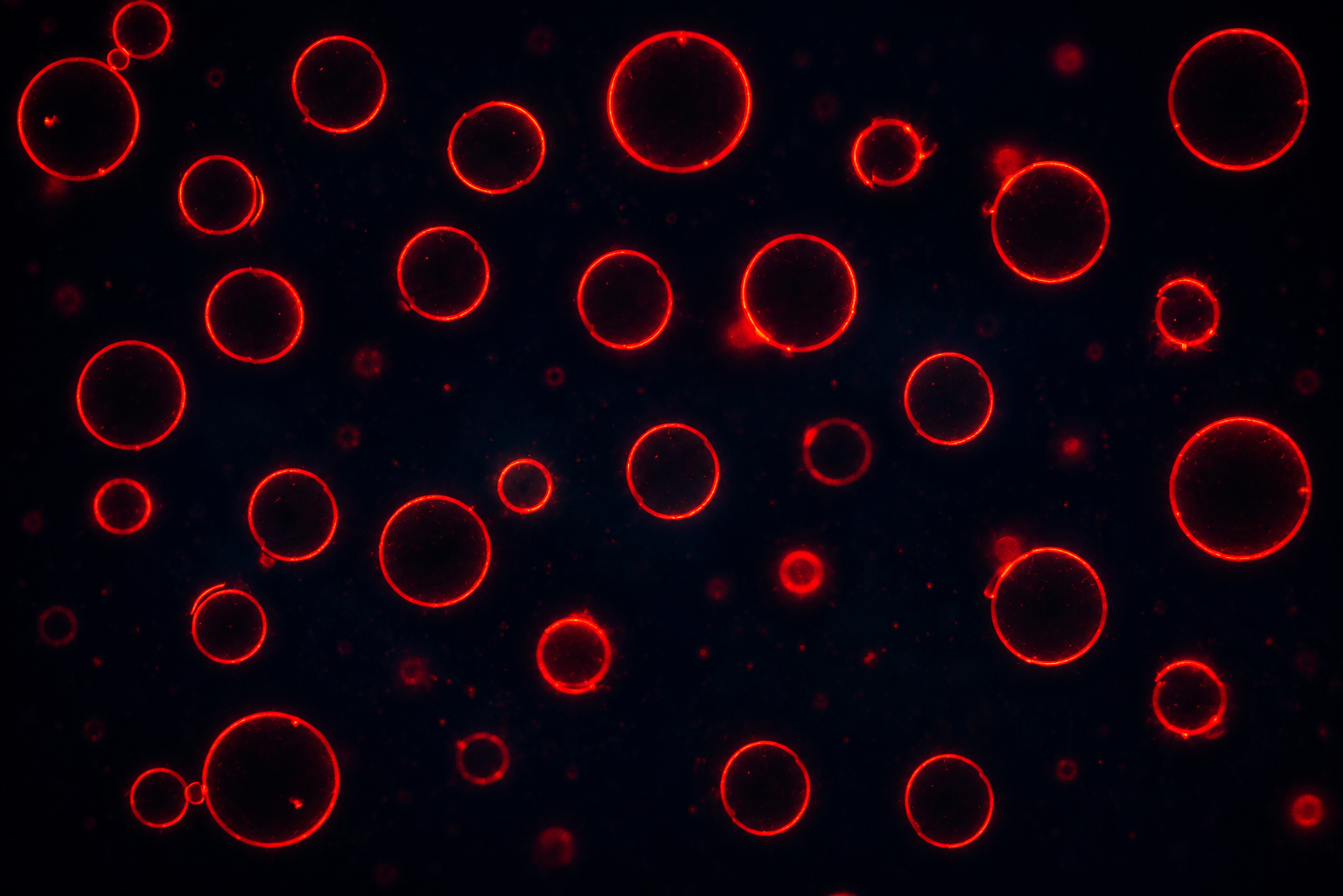
Pore-forming proteins
We study how proteins assemble on membranes, generate openings, and control selective molecular exchange across lipid bilayers.
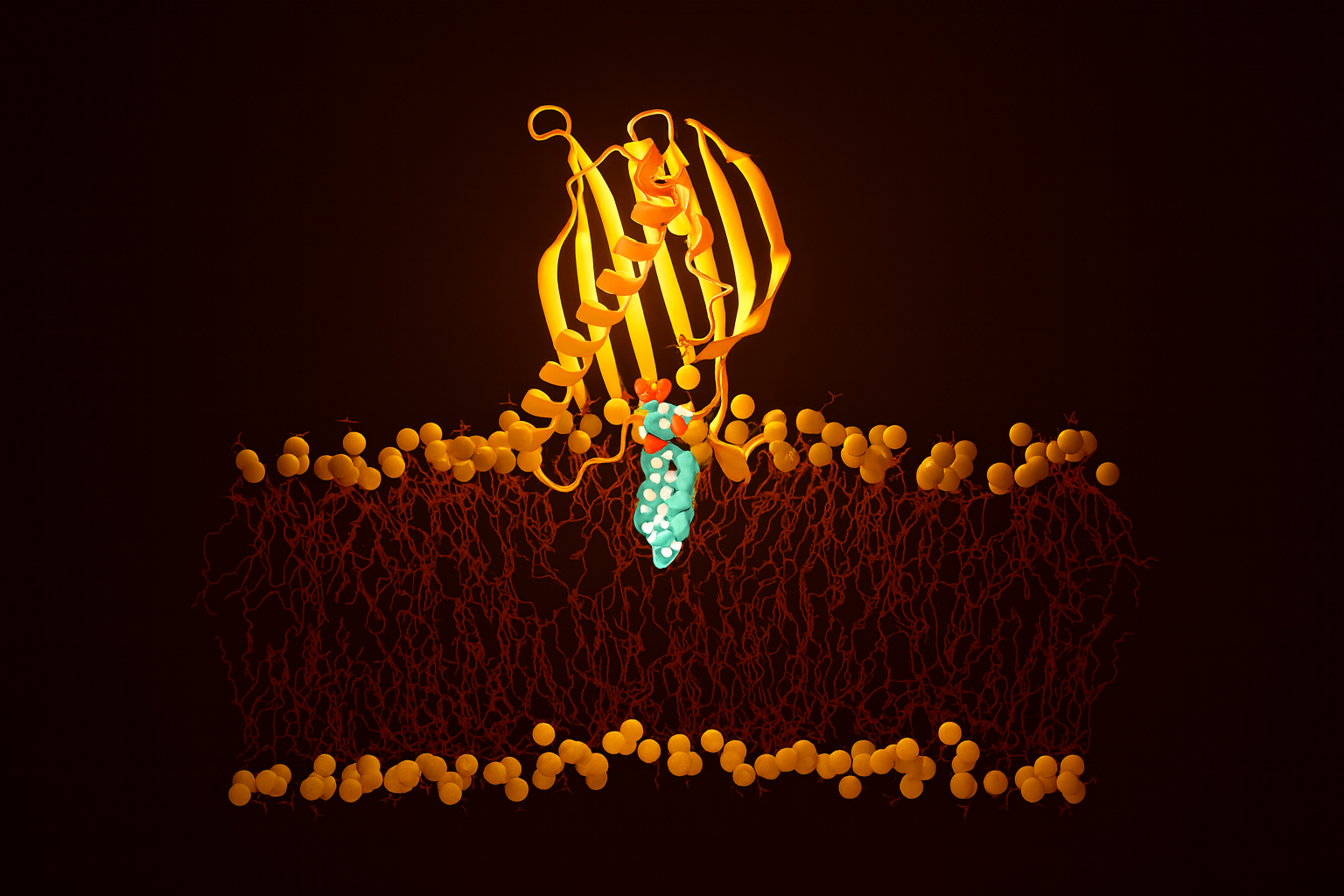
Lipid transport proteins
We investigate how lipid-transfer proteins move specific lipids between organelles and how this transport reshapes membrane identity.
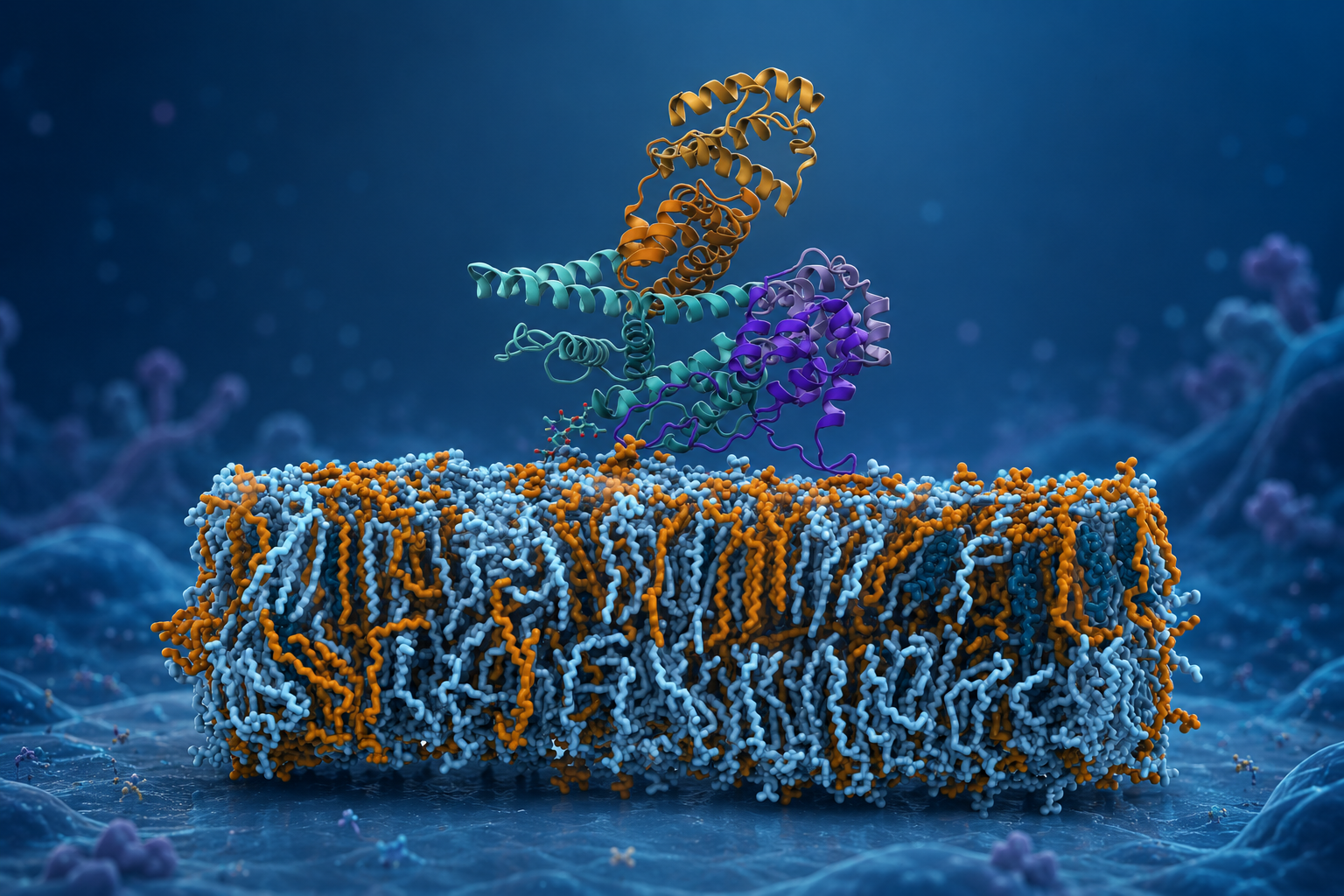
Lipid binding proteins
We examine how proteins detect membrane composition, bind selected lipid species, and convert lipid recognition into functional responses.
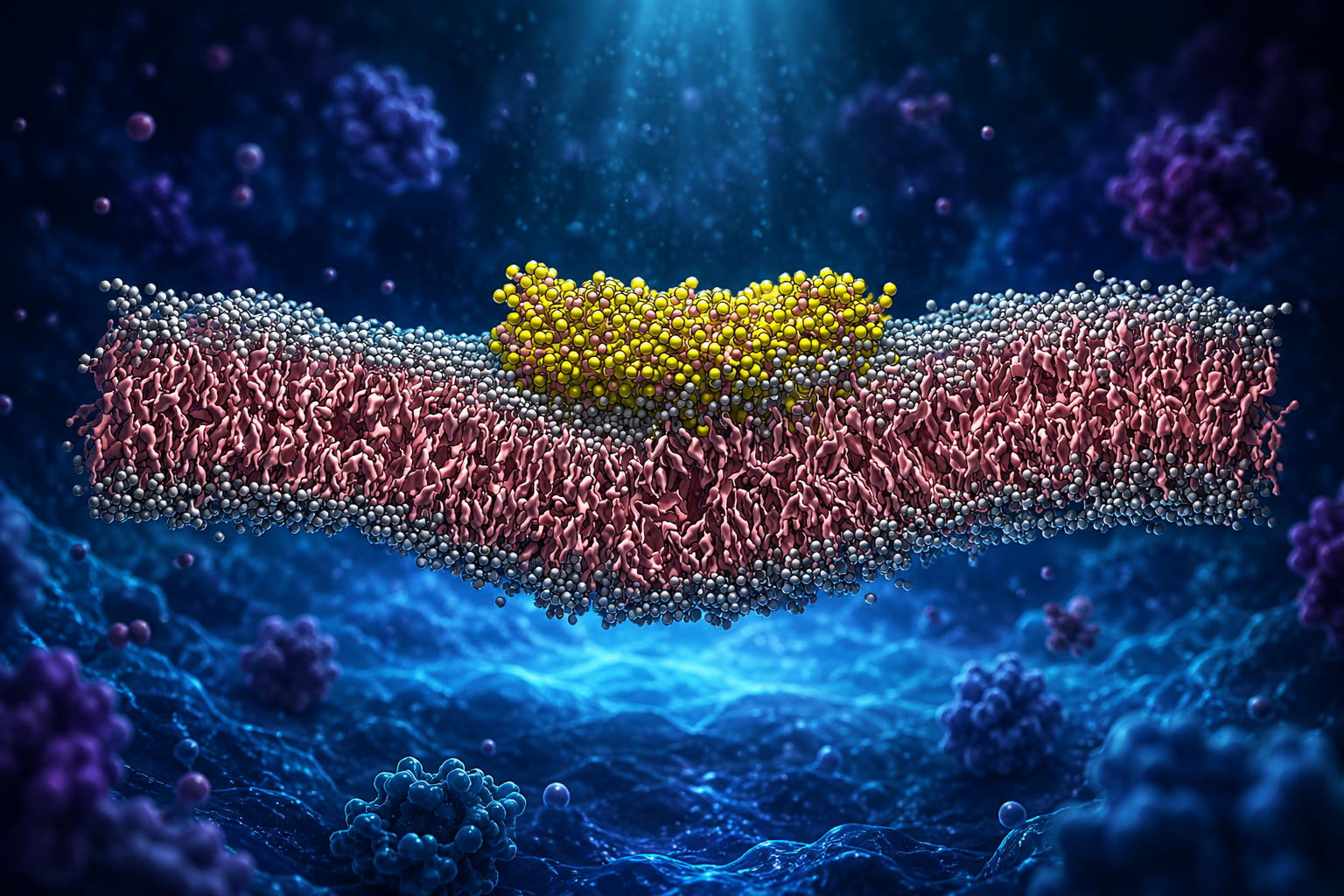
Membrane remodeling
We explore how protein assemblies bend, deform, and reorganize membranes during pore formation, secretion, and cellular remodeling events.
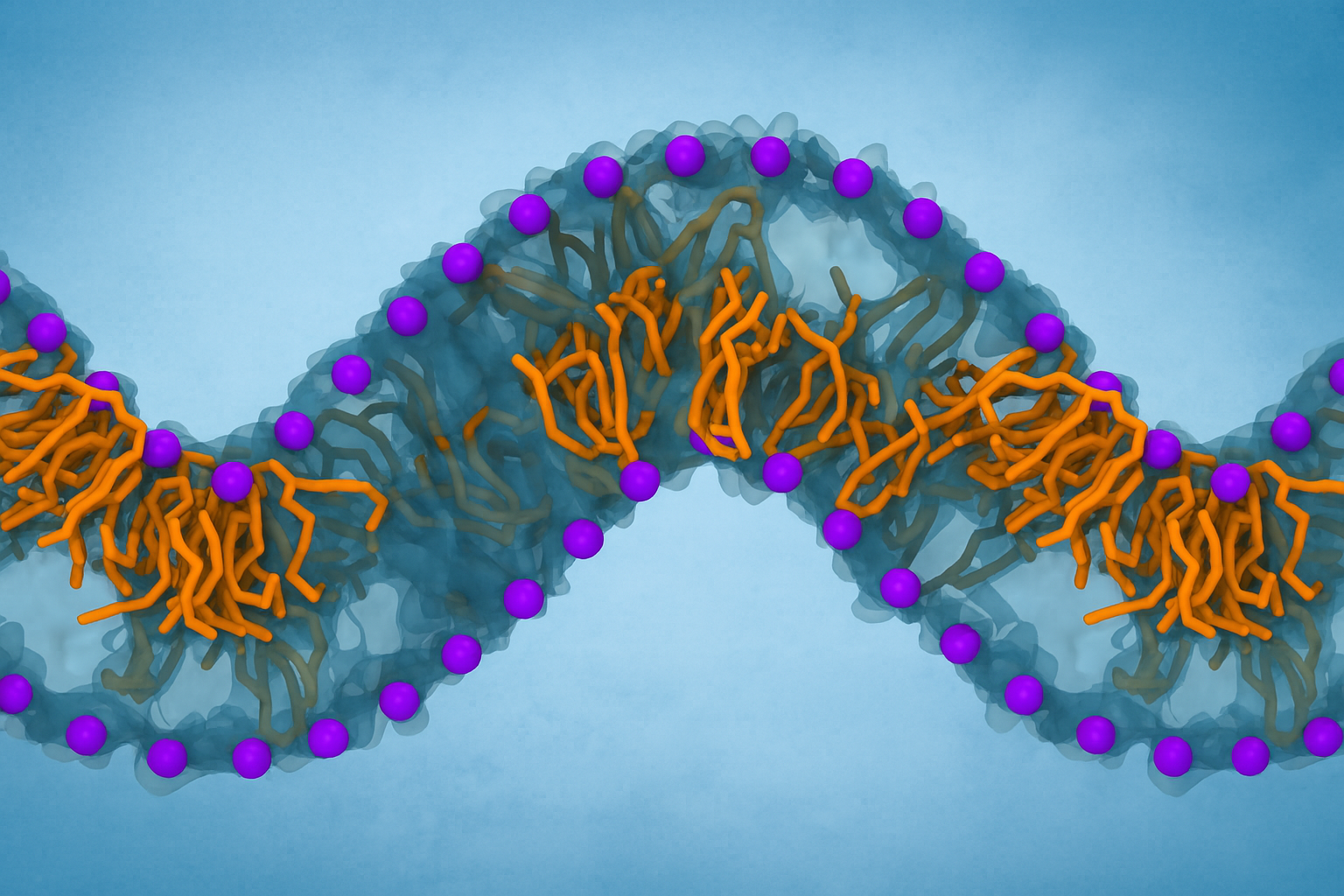
Partitioning preferences
We analyze how proteins and peptides distribute between membrane domains and how sequence features tune localization in heterogeneous bilayers.
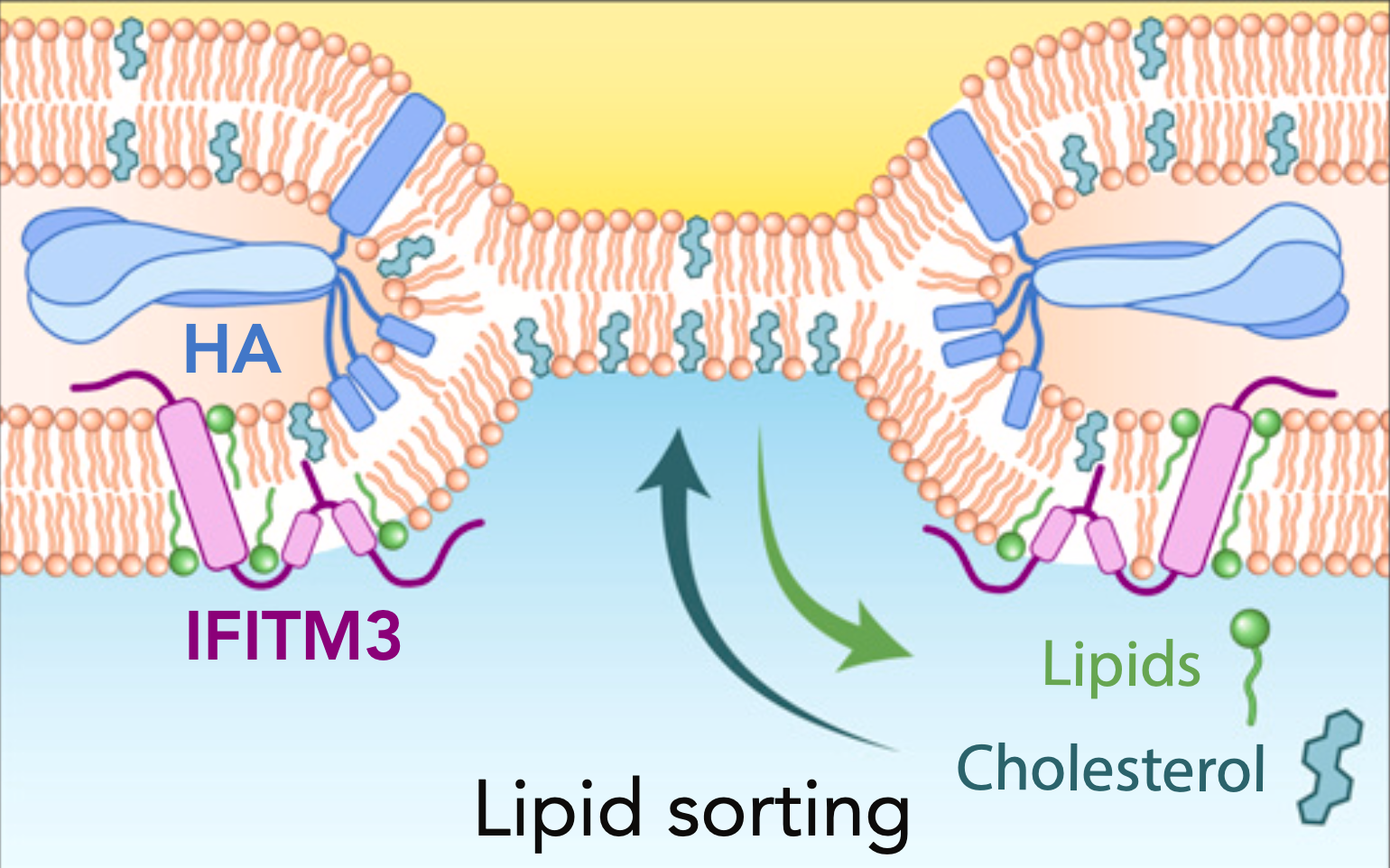
Lipids in virology
We study how viral proteins exploit lipid organization and membrane composition during entry, assembly, and host–pathogen interactions.
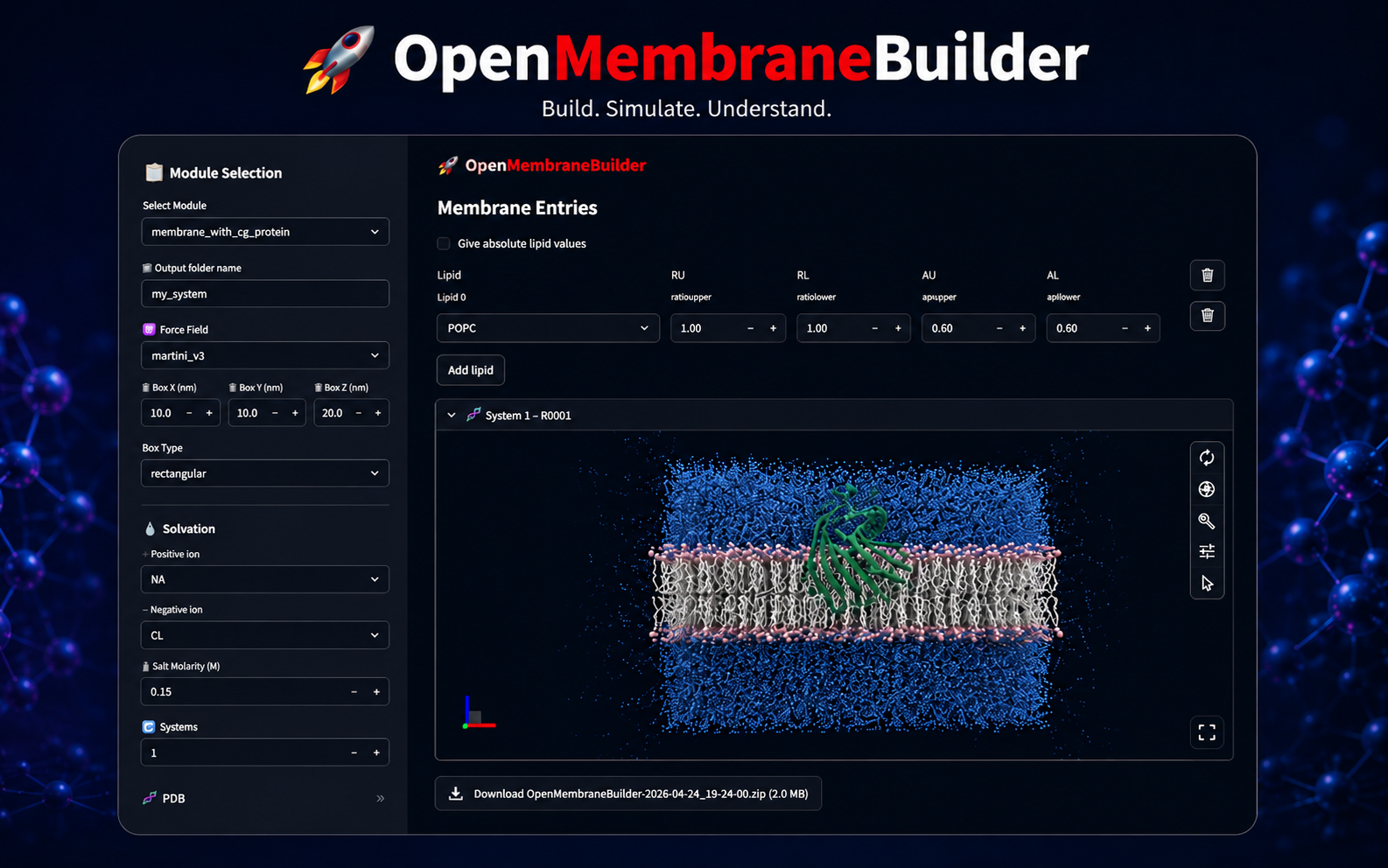
OpenMembraneBuilder
We develop accessible tools to build reproducible MARTINI coarse-grained membrane and membrane–protein systems through GUI and CLI workflows.
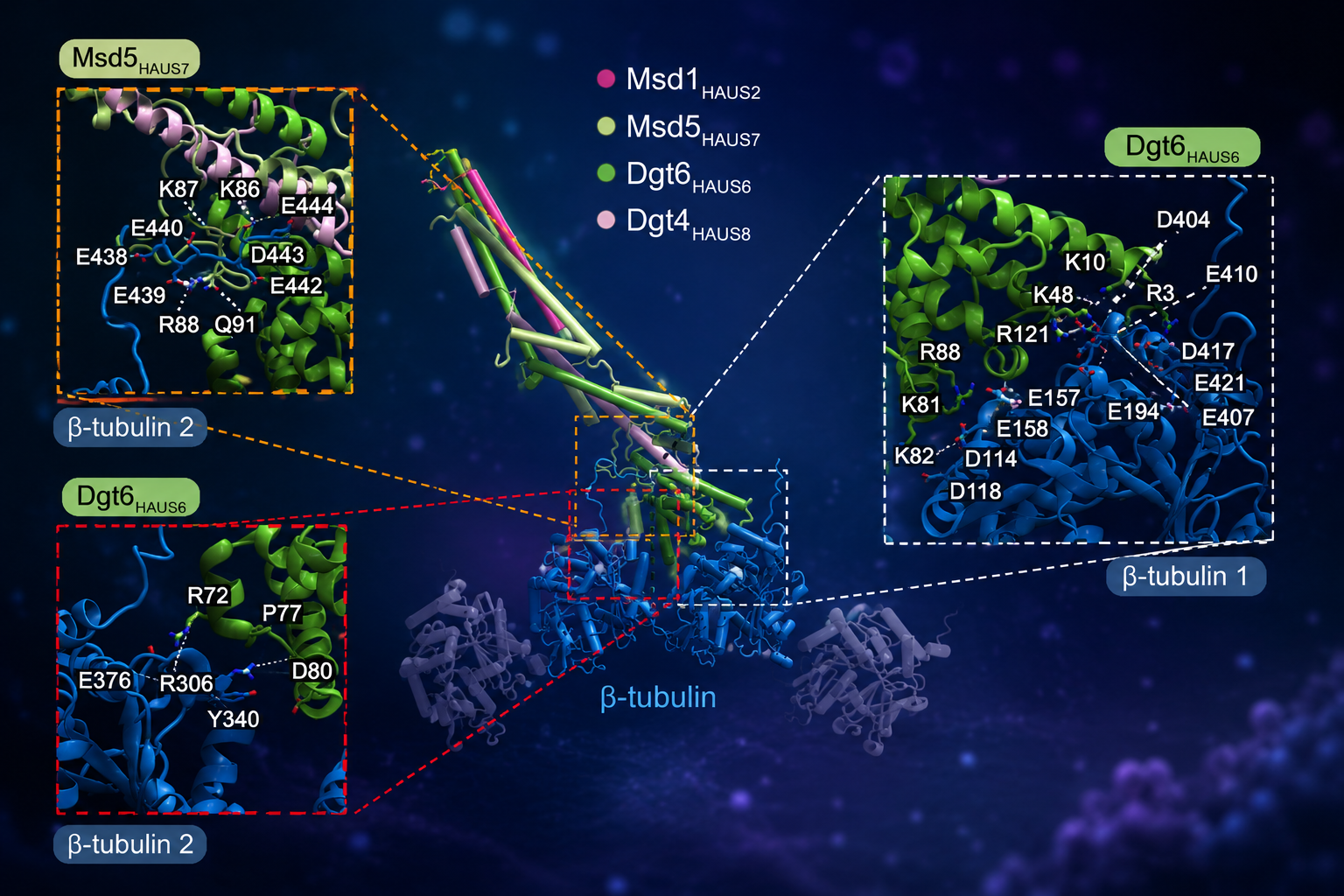
Computational structural biology
We integrate structure prediction, molecular modeling, and simulation-based refinement to interpret protein complexes and molecular interfaces.
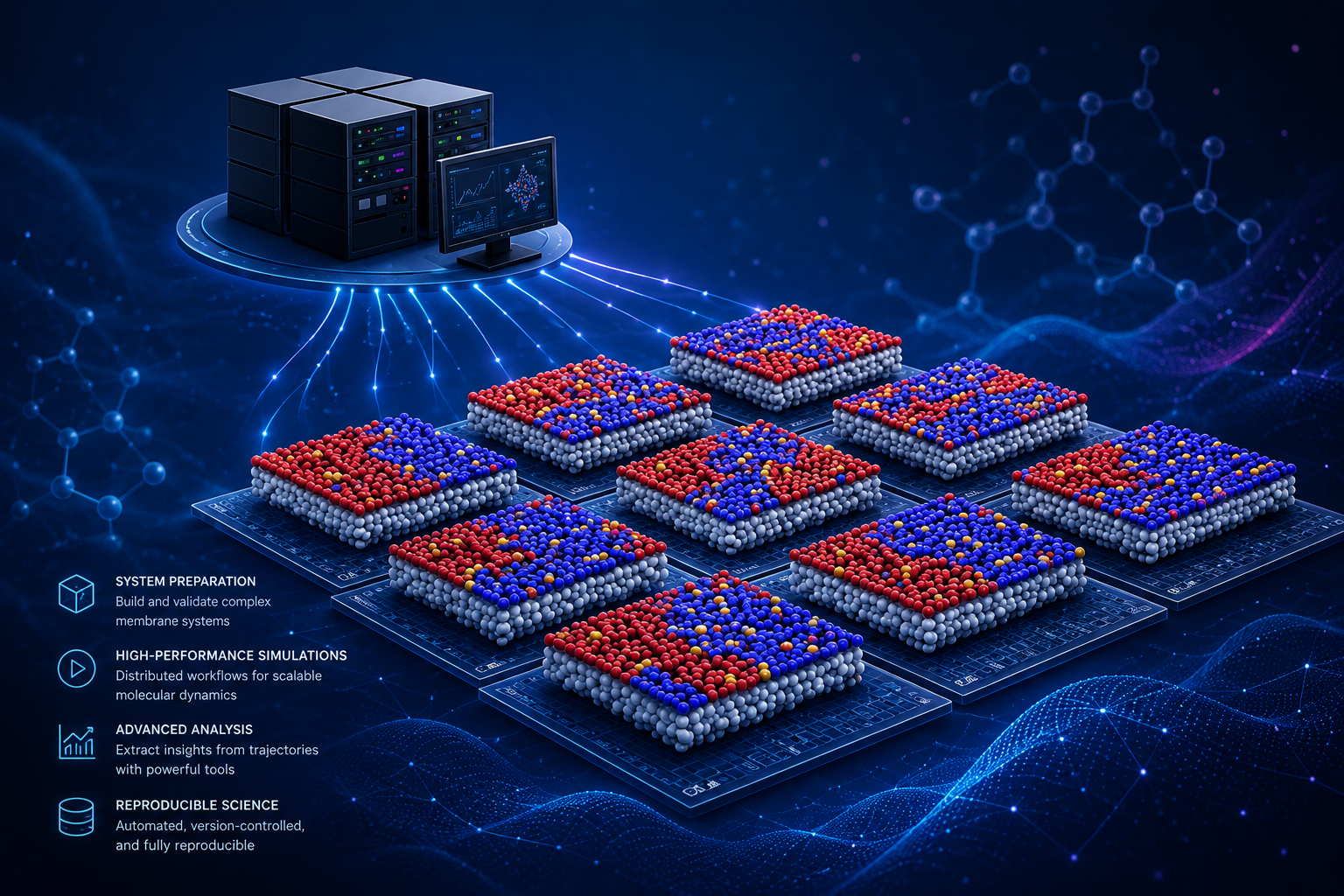
Molecular dynamics simulations platform
We support collaborative projects with system preparation, simulation workflows, trajectory analysis, and mechanistic interpretation.